


















































































































Insurance Stocks Crash के पीछे IRDAI का बड़ा दांव, New Rules से क्यों घबराया Insurance Market?
Insurance Stocks Crash ने गुरुवार को insurance sector में हलचल मचा दी। IRDAI के नए consultation paper में commission limits, Expenses of Management पर सख्ती, dark patterns पर रोक और mis-selling के खिलाफ safeguards प्रस्तावित हैं। PB Fintech समेत कई insurance-related stocks में तेज गिरावट देखने को मिली।

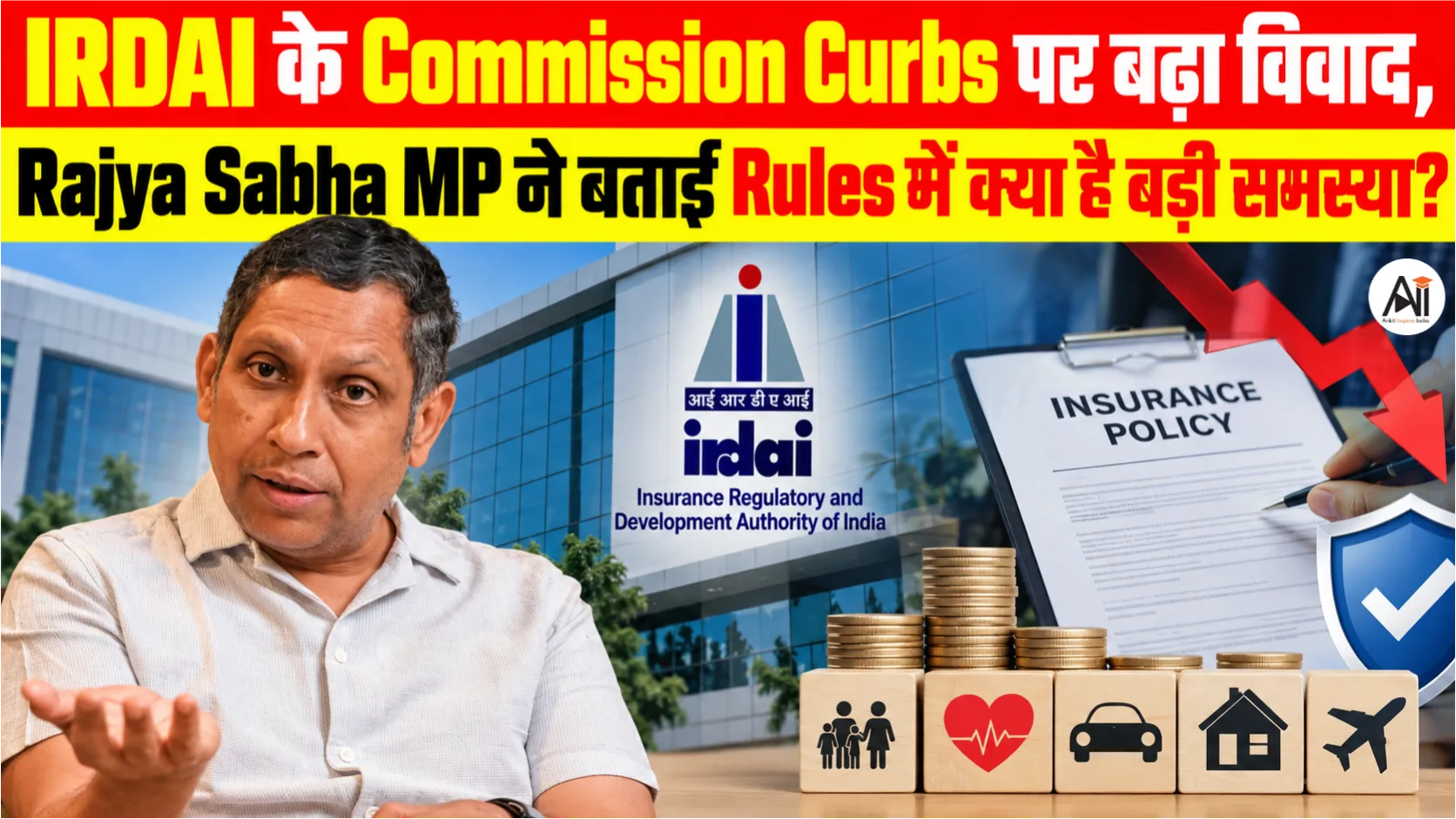
गुरुवार को भारतीय insurance market में अचानक तेज बिकवाली देखने को मिली। Insurance Stocks Crash के दौरान online insurance distributor PB Fintech, जिसकी parent company Policybazaar है, सबसे ज्यादा दबाव में रहा और शेयर करीब 36% टूटकर ₹1,207.20 तक पहुंच गया। Turtlemint भी करीब 20% गिरकर lower circuit पर पहुंच गया, जबकि कई listed insurers के shares में भी गिरावट रही। बाजार में यह प्रतिक्रिया Insurance Regulatory and Development Authority of India यानी IRDAI के 23 सितंबर को जारी consultation paper Recalibrating Economics of Insurance Distribution के बाद आई। इसमें insurance distribution, commissions, expenses, digital sales practices, transparency और mis-selling से जुड़े कई बड़े बदलाव प्रस्तावित किए गए हैं। ध्यान रहे कि ये अभी proposals हैं, final regulations नहीं।
आखिर इतनी बड़ी गिरावट क्यों आई?
Insurance Stocks Crash की सबसे बड़ी वजह IRDAI के proposed distribution reforms हैं। इनमें insurance distributors की commissions को product, business segment, distribution channel और selling effort के आधार पर सीमित करने, insurers के Expenses of Management यानी EoM को धीरे-धीरे कम करने और digital insurance sales में कुछ practices पर रोक लगाने का प्रस्ताव है। बाजार को चिंता है कि इससे distributors और insurers की future earnings पर दबाव पड़ सकता है। PB Fintech की गिरावट इसी चिंता का सबसे बड़ा उदाहरण रही।
Business Standard के मुताबिक कंपनी का market capitalisation एक ही session में करीब Rs 31,425.5 करोड़ कम हुआ। Turtlemint भी 20% की गिरावट के साथ lower circuit पर बंद हुआ। इसके अलावा Max Financial Services, HDFC Life, ICICI Prudential Life, Niva Bupa और दूसरी insurance-related companies में भी दबाव देखा गया। Business Standard के अनुसार HDFC Life करीब 5.70% नीचे रहा, जबकि ICICI Prudential Life 3.37% गिरा। बाजार की चिंता का मूल कारण यह है कि insurance distribution का economics बदल सकता है। अगर distributors को मिलने वाली commissions और insurers के खर्च की सीमा कम होती है, तो कम-margin या distribution-heavy businesses पर earnings pressure आ सकता है।
IRDAI New Insurance Rules 2026 में क्या प्रस्तावित है?
IRDAI New Insurance Rules 2026 के नाम से चर्चा में आया framework अभी final rule नहीं है। IRDAI ने consultation paper के जरिए insurance distribution system में बदलाव सुझाए हैं। इनमें distribution entities की नई संरचना, lower EoM limits, product-specific commission framework, greater transparency और mis-selling रोकने के लिए stronger safeguards शामिल हैं। Stakeholders से feedback लेने के बाद ही final regulatory framework तय होगा। IRDAI ने मौजूदा fragmented structure को बदलकर तीन broad categories बनाने का प्रस्ताव रखा है- Insurance Distribution Entities (IDEs), Insurance Distribution Persons (IDPs) और Market Infrastructure Institutions (MIIs)। इसका मकसद distribution ecosystem को सरल बनाना और entry तथा digital distribution के नए रास्ते खोलना है।
Expenses of Management पर भी सख्ती
प्रस्तावों में insurers के Expenses of Management (EoM) framework को भी बदलने की बात है। Life insurers के लिए limit को एक phased glide path के जरिए दो वर्षों में 15% और पांच वर्षों में 12.5% तक लाने का प्रस्ताव है। General insurers के लिए limit को पांच वर्षों में domestic Gross Direct Premium Income के आधार पर 20% तक लाने की बात कही गई है। IRDAI का तर्क है कि distribution costs कम होने से insurance को ज्यादा affordable बनाने और policyholders के लिए value improve करने में मदद मिल सकती है।
Insurance Commission Cap से किसे सबसे ज्यादा असर पड़ सकता है?
IRDAI ने commission structure को एक uniform formula के बजाय product और distribution characteristics के हिसाब से redesign करने का प्रस्ताव दिया है। Proposed limits में business line, policy complexity, distribution channel और selling तथा servicing effort जैसे factors को ध्यान में रखा जाएगा। इसी बदलाव ने Insurance Commission Cap को market reaction का बड़ा कारण बनाया है। Business Standard की analysis के अनुसार proposed all-inclusive caps कुछ products में मौजूदा payouts की तुलना में काफी कम हो सकते हैं। उदाहरण के लिए health insurance में 5% तथा credit life में 2% जैसी limits का प्रस्ताव चर्चा में आया है, जबकि मौजूदा payouts कुछ मामलों में काफी ज्यादा हैं।
इसका असर उन businesses पर ज्यादा पड़ सकता है जिनकी revenue profile में insurance commissions का योगदान महत्वपूर्ण है। Online platforms, brokers, banks और कुछ NBFCs में distribution income की भूमिका अलग-अलग होती है, इसलिए impact भी समान नहीं होगा। यही वजह है कि गुरुवार को केवल insurance companies ही नहीं, बल्कि insurance distributors और कुछ banks तथा NBFCs भी investor attention में रहे।
Dark Patterns पर IRDAI की सख्ती से क्या बदलेगा?
IRDAI ने insurance websites पर dark patterns पर रोक लगाने का प्रस्ताव रखा है। इसमें ऐसी practices शामिल हो सकती हैं जिनमें ग्राहक को product features या pricing देखने से पहले अनावश्यक personal information देने के लिए मजबूर किया जाता है। इसके अलावा regulator ने mis-selling रोकने के लिए suitability को enforceable obligation बनाने, कुछ life insurance sales में customer needs और suitability को document करने तथा audit trail बनाए रखने जैसे measures भी प्रस्तावित किए हैं।
इन proposals का उद्देश्य यह है कि insurance policy केवल ज्यादा sales के आधार पर distribute न हो, बल्कि customer की जरूरत, affordability और suitability को भी ज्यादा महत्व मिले। Digital platforms के लिए इसका मतलब यह भी हो सकता है कि website design, lead-generation forms और customer journeys में compliance requirements बढ़ें। इससे short-term में acquisition processes महंगे या complex हो सकते हैं, हालांकि यह impact company-specific होगा।
Insurance Distribution Rules बदलने की जरूरत क्यों पड़ी?
IRDAI की consultation paper के पीछे एक बड़ा मुद्दा insurance distribution की बढ़ती लागत है। Regulator ने कहा है कि पिछले कुछ वर्षों में distributors को दिए जाने वाले commissions में तेज वृद्धि हुई है और distribution economics को policyholder outcomes के साथ ज्यादा closely align करने की जरूरत है। नए framework में सिर्फ commission पर ध्यान नहीं है। इसमें distribution structure को simplify करना, transparency बढ़ाना, digital infrastructure का उपयोग करना और market conduct पर stronger safeguards लागू करना भी शामिल है।
IRDAI का proposed approach इसलिए व्यापक है क्योंकि insurance खरीदना केवल policy price का मामला नहीं है। ग्राहक तक policy पहुंचाने की लागत, intermediary incentives, sales practices और post-sale servicing भी final economics को प्रभावित करते हैं। इसी broader restructuring को लेकर Insurance Sector Reform India की चर्चा तेज हुई है। हालांकि consultation paper पर stakeholders की प्रतिक्रिया और उसके बाद आने वाला final framework यह तय करेगा कि कौन-से proposals किस रूप में लागू होते हैं।
PB Fintech Share Crash ने क्यों खींचा सबसे ज्यादा ध्यान?
PB Fintech Share Crash इस पूरे market reaction का सबसे बड़ा example रहा। PB Fintech, जो Policybazaar की parent company है, गुरुवार को करीब 36% गिरकर ₹1,207.20 पर आ गया और 18-month low पर पहुंच गया। यह company के listed होने के बाद सबसे बड़ी single-day गिरावटों में से एक थी। कंपनी management ने बाद में analysts से बातचीत में माना कि अगर proposals final rules का रूप लेते हैं तो business पर meaningful impact पड़ सकता है। ET की रिपोर्ट के मुताबिक management ने general insurance business पर life insurance की तुलना में ज्यादा दबाव पड़ने का संकेत दिया। हालांकि management ने यह भी कहा कि market reaction कुछ हद तक ज्यादा हो सकता है और company cost controls तथा business mix में बदलाव के जरिए profitability को संभालने की दिशा में काम कर सकती है। इससे यह समझ आता है कि stock market की प्रतिक्रिया proposed rules के संभावित future earnings impact पर आधारित है, न कि किसी final regulatory decision पर।
Insurance Stocks Fall Today के पीछे सिर्फ Commission नहीं
बाजार की गिरावट को केवल Insurance Commission Rules से जोड़ना पूरी तस्वीर नहीं होगी। IRDAI proposal में commission caps के साथ EoM reduction, digital sales conduct, transparency, bundling और mis-selling safeguards जैसे कई changes हैं। Analysts ने खास तौर पर यह चिंता जताई है कि commission cuts distribution networks के economics को बदल सकते हैं और कुछ channels में consolidation या short-term volume pressure पैदा कर सकते हैं। इसके दूसरी तरफ, policyholder perspective से proposed measures का उद्देश्य transparency, affordability और mis-selling को address करना है। इसलिए market impact और consumer impact को एक ही नजरिए से देखना जरूरी नहीं है। यानी गुरुवार की Insurance Stocks Fall Today को market ने संभावित earnings pressure की तरह interpret किया, जबकि IRDAI proposals का stated objective policyholders के लिए insurance distribution ecosystem को customer-centric और transparent बनाना है।
क्या IRDAI New Rules 2026 अभी लागू हो गए हैं?
नहीं। यहां सबसे महत्वपूर्ण बात यही है कि IRDAI New Rules 2026 अभी final rules नहीं हैं। IRDAI ने consultation paper जारी करके stakeholders से comments और feedback मांगे हैं। उपलब्ध जानकारी के अनुसार comments जमा करने की अंतिम तारीख 25 अक्टूबर 2026 है। Consultation process पूरा होने के बाद regulator proposals में बदलाव कर सकता है, कुछ provisions हटा सकता है या नए safeguards जोड़ सकता है। इसलिए आज के stock-market reaction को final impact के बराबर नहीं माना जाना चाहिए। यह भी जरूरी है कि proposed commission caps को सीधे हर insurance product पर लागू हो चुका cap न समझा जाए। Final regulations आने के बाद ही exact applicability, product categories और effective dates स्पष्ट होंगी।
आगे Insurance Market में क्या नजर रखना होगा?
आने वाले हफ्तों में सबसे महत्वपूर्ण चीज होगी कि insurers, brokers, banks और insurance platforms consultation paper पर क्या feedback देते हैं। Distribution-heavy companies के लिए commission structure और EoM limits सबसे महत्वपूर्ण मुद्दे रहेंगे। इसके अलावा regulators की तरफ से final framework में transition period और implementation roadmap कितना flexible रखा जाता है, यह भी महत्वपूर्ण होगा। Five-year EoM glide path जैसी प्रस्तावित व्यवस्था का मतलब है कि सभी changes overnight लागू करने के बजाय phased approach अपनाने पर विचार है। Policyholders के नजरिए से transparency, commission disclosure और digital sales practices में बदलाव ज्यादा महत्वपूर्ण होंगे। वहीं investors के लिए सबसे बड़ा सवाल यह होगा कि proposed framework का असर revenue, margins, customer acquisition cost और distribution partnerships पर कितना पड़ता है।
निष्कर्ष
Insurance Stocks Crash ने गुरुवार को यह दिखाया कि regulatory proposals का असर stock market पर final rules आने से पहले भी पड़ सकता है। PB Fintech में करीब 36% की गिरावट और दूसरे insurance-related stocks में कमजोरी के पीछे मुख्य चिंता commission economics, EoM limits और distribution model में संभावित बदलाव को लेकर रही। दूसरी तरफ, IRDAI New Insurance Rules 2026 अभी consultation stage में हैं। Regulator ने commissions, Expenses of Management, dark patterns, mis-selling और transparency सहित कई areas में reforms प्रस्तावित किए हैं। Final rules consultation process के बाद ही तय होंगे। इसलिए मौजूदा market reaction को final outcome मानने के बजाय इसे proposed regulatory changes पर investors की प्रतिक्रिया के रूप में देखना अधिक उचित है। आने वाला consultation process यह तय करेगा कि insurance distribution का economics और policy-selling model वास्तव में किस रूप में बदलता है।
FAQ (Frequently Asked Questions):
Insurance stocks में इतनी बड़ी गिरावट क्यों आई?
गुरुवार की गिरावट के पीछे IRDAI के proposed insurance distribution reforms प्रमुख कारण रहे। Commission caps, lower EoM limits और digital sales पर tighter rules से insurers और distributors की future earnings पर दबाव पड़ने की चिंता ने selling बढ़ाई।
IRDAI ने insurance sector के लिए कौन से नए rules propose किए हैं?
IRDAI ने insurance distribution structure, commissions, Expenses of Management, market conduct, transparency और digital infrastructure में बदलाव प्रस्तावित किए हैं। Dark patterns पर रोक और mis-selling के खिलाफ stronger safeguards भी framework का हिस्सा हैं।
IRDAI commission cap क्या है?
यह proposed framework में insurance distributors को मिलने वाली commission की सीमा से जुड़ा है। IRDAI ने अलग-अलग products और distribution channels के लिए product complexity, business segment और selling effort को ध्यान में रखकर limits तय करने का प्रस्ताव दिया है।
नए IRDAI rules का insurance agents और brokers पर क्या असर होगा?
अगर प्रस्तावित commission structure final रूप में लागू होता है, तो कुछ products और channels में distribution income कम हो सकती है। इसका असर agents, brokers, online distributors, banks और NBFCs पर उनके business mix के अनुसार अलग-अलग हो सकता है।
क्या IRDAI के नए rules से insurance premium कम हो सकता है?
यह निश्चित रूप से कहना अभी संभव नहीं है। IRDAI का प्रस्ताव distribution costs और policyholder outcomes को बेहतर बनाने की दिशा में है, लेकिन premium पर वास्तविक असर final rules, insurers की pricing और market competition पर निर्भर करेगा।