



































































































































































UPI & RuPay Debit Card Charges पर बड़ा फैसला, Rs2,000 तक के Payment पर नहीं लगेगा कोई Charge
केंद्र सरकार ने UPI और RuPay Debit Card payments को लेकर बड़ा फैसला किया है। नए प्रावधान के तहत Rs 2,000 तक के UPI transactions और RuPay Debit Card payments पर banks या payment providers कोई direct या indirect charge नहीं लगा सकेंगे।
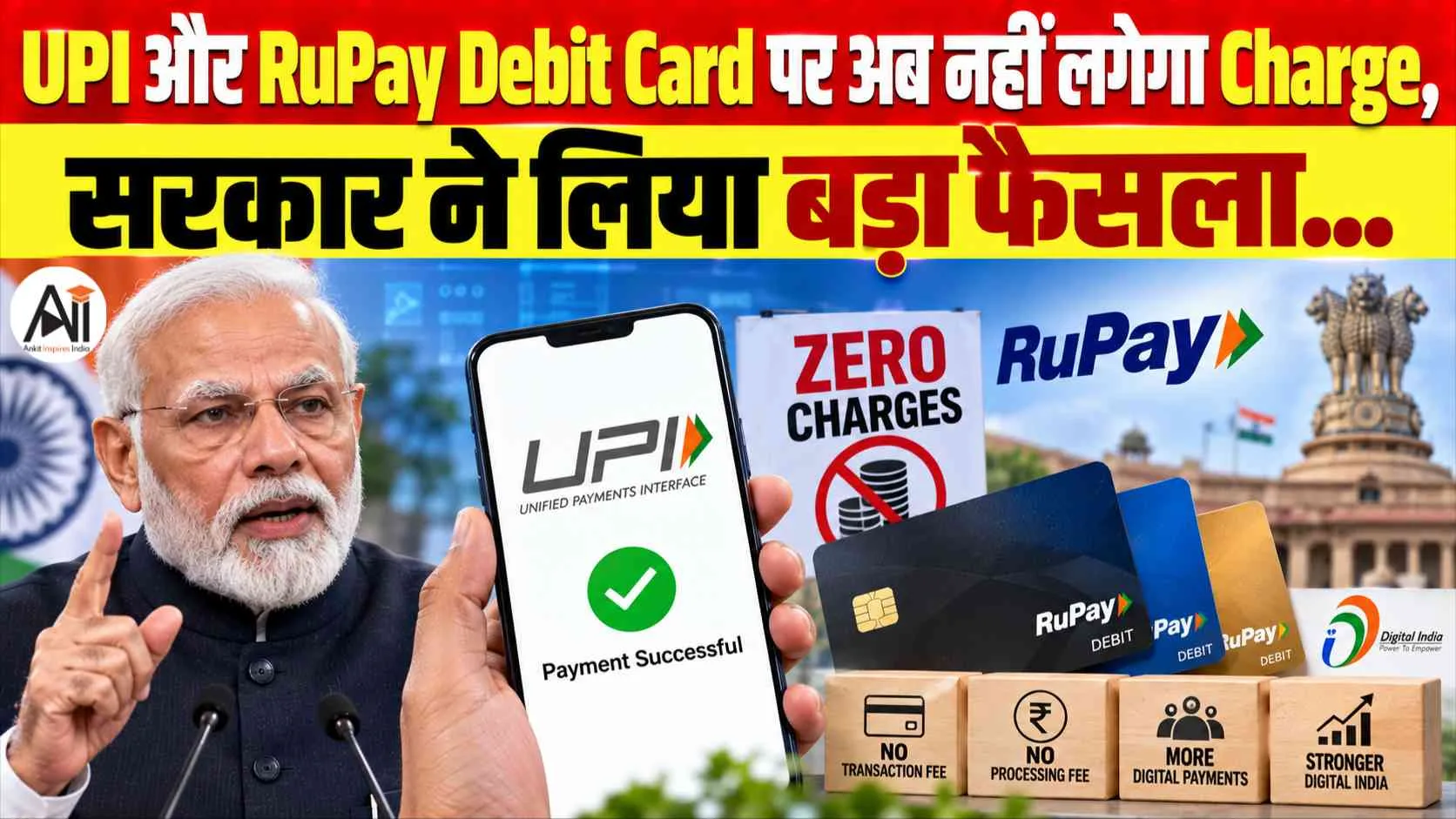
डिजिटल पेमेंट इस्तेमाल करने वाले करोड़ों लोगों के लिए UPI RuPay Debit Card Charges को लेकर बड़ी खबर सामने आई है। केंद्र सरकार ने तय किया है कि Rs 2,000 तक के UPI transactions और RuPay Debit Card से किए गए payments पर banks और payment system providers कोई direct या indirect charge नहीं लगा सकेंगे। यह प्रावधान Payment and Settlement Systems Act, 2007 की Section 10A के तहत जारी notification के जरिए किया गया है। नए नियमों का मकसद छोटे-value digital payments को सस्ता और आसान बनाए रखना है। हालांकि, Rs 2,000 से अधिक के UPI transactions पर आगे Merchant Discount Rate (MDR) या दूसरे charges का क्या ढांचा होगा, इस बारे में notification ने कोई स्पष्ट दर तय नहीं की है।
UPI RuPay Debit Card Charges में क्या बदला?
नए notification के तहत Rs 2,000 तक के UPI transactions और RuPay-powered debit card payments पर कोई bank या payment system provider सीधे या अप्रत्यक्ष रूप से charge नहीं लगा सकेगा। यानी छोटे UPI payments और RuPay debit card transactions के लिए users पर अलग से payment fee लगाने की अनुमति नहीं होगी। केंद्र सरकार ने 14 सितंबर 2026 की Gazette notification में Section 10A के तहत UPI transactions up to Rs 2,000 और RuPay Debit Card को notified electronic modes के रूप में specify किया है। Notification में साफ कहा गया है कि इन modes से payment करने या receive करने वाले व्यक्ति पर कोई direct या indirect charge नहीं लगाया जाएगा। यह फैसला ऐसे समय आया है जब भारत में digital payments का इस्तेमाल लगातार बढ़ रहा है और UPI छोटे से लेकर बड़े transactions तक लोगों की रोजमर्रा की payment system का अहम हिस्सा बन चुका है।
UPI Payment Rules 2026 में Rs 2,000 की सीमा क्यों महत्वपूर्ण है?
Rs 2,000 की सीमा खास तौर पर low-value UPI payments के लिए अहम है। छोटे payments जैसे किराना, खाने-पीने की चीजें, local shopping और रोजमर्रा की services में UPI का इस्तेमाल बहुत ज्यादा होता है। सरकार ने पहले भी low-value BHIM-UPI transactions और RuPay Debit Card payments को बढ़ावा देने के लिए incentive schemes चलाई हैं। Department of Financial Services के records के मुताबिक Rs 2,000 तक के BHIM-UPI P2M transactions को digital payments को promote करने के लिए incentive framework में शामिल किया गया था। नया notification उस policy direction को एक और regulatory आधार देता है- कम value digital payments पर charges का बोझ न पड़े और UPI की व्यापक पहुंच बनी रहे।
क्या Rs 2,000 से ऊपर अब Charge लगेगा?
यह सबसे बड़ा सवाल है। अभी इस notification में Rs 2,000 से ऊपर के UPI transactions के लिए कोई specific charge या MDR rate तय नहीं किया गया है। इसलिए यह कहना जल्दबाजी होगी कि Rs 2,000 से अधिक का हर UPI payment अब chargeable हो जाएगा। Notification फिलहाल केवल यह सुनिश्चित करता है कि Rs 2,000 तक के UPI transactions पर कोई direct या indirect charge नहीं लगाया जाए। इससे ऊपर की रकम के लिए future framework, MDR structure या merchant-side charges को लेकर अलग निर्णय की जरूरत होगी। यानी customers के लिए फिलहाल सबसे महत्वपूर्ण बात यही है कि Rs 2,000 तक का UPI payment इस notification के तहत charge-free रखा गया है।
RuPay Debit Card Charges पर क्या है नया Rule?
UPI के मुकाबले RuPay Debit Card के लिए notification की wording अलग है। इसमें RuPay-powered debit card payments को specified electronic mode के रूप में रखा गया है और payment करने या receive करने वाले व्यक्ति पर direct या indirect charge लगाने पर रोक लगाई गई है। इससे RuPay debit card users के लिए payment costs को लेकर clarity बढ़ती है। हालांकि अलग-अलग commercial arrangements और transaction ecosystem में merchant-side processes क्या होंगे, यह broader payment framework पर निर्भर कर सकता है। सरकार का यह कदम घरेलू payment network RuPay को बढ़ावा देने की नीति के अनुरूप भी देखा जा सकता है। Department of Financial Services ने पहले भी RuPay Debit Cards को promote करने के लिए incentive schemes लागू की हैं।
MDR आखिर होता क्या है?
MDR यानी Merchant Discount Rate वह charge है जो digital payment ecosystem में merchant transaction से जुड़ा हो सकता है। इसमें acquiring bank, payment network और दूसरे participants के लिए charges का ढांचा शामिल हो सकता है। हालिया legislative changes के बाद Payment and Settlement Systems Act की Section 10A के तहत notified electronic payment modes के लिए charges पर framework बनाने की गुंजाइश बढ़ी है। Department of Financial Services के अनुसार digital payment modes, UPI और RuPay से जुड़े charges और MDR से संबंधित matters उसके work allocation में शामिल हैं। सरकार ने notification के जरिए low-value UPI और RuPay payments के लिए एक clear no-charge protection दे दी है। दूसरी ओर, Rs 2,000 से ऊपर के transactions पर future MDR structure क्या होगा, यह अभी पूरी तरह स्पष्ट नहीं है।
New UPI Rules 2026 का Customers पर क्या असर होगा?
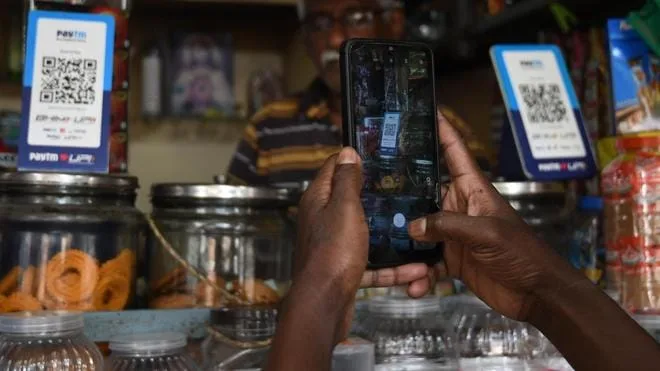
आम customers के लिए सबसे बड़ा फायदा यह है कि छोटे UPI payments पर additional payment fee का डर नहीं रहेगा। किराना, food delivery, छोटे merchants और रोजमर्रा के purchases में Rs 2,000 तक के transactions बड़े पैमाने पर होते हैं। इसका दूसरा फायदा digital payments की affordability है। अगर छोटे transactions पर भी अलग से fee लगने लगे, तो cash या दूसरे payment modes की ओर कुछ users वापस जा सकते हैं। सरकार का मौजूदा कदम UPI को low-cost payment option के तौर पर बनाए रखने की कोशिश करता है। Department of Financial Services की website के अनुसार digital payments को promote करने, RuPay Debit Cards और low-value BHIM-UPI transactions को support करने के लिए सरकार पहले भी incentive-based measures लागू कर चुकी है।
Government UPI Charges का फैसला क्यों आया?
सरकार ने पहले संसद में Payment and Settlement Systems Act में बदलाव के जरिए charges और MDR से जुड़ा enabling framework तैयार किया था। उस समय सरकार ने तर्क दिया था कि digital payment volumes तेजी से बढ़ने के साथ cybersecurity, fraud prevention और payment infrastructure पर लगातार खर्च बढ़ रहा है। इसी के साथ सरकार ने यह भी कहा था कि payment ecosystem के अगले चरण के लिए केवल subsidies पर निर्भर रहना sustainable नहीं हो सकता और ऐसा framework चाहिए जो competition तथा long-term sustainability को support करे। लेकिन low-value transactions को लेकर अब सरकार ने साफ सीमा निर्धारित कर दी है। यानी digital payments ecosystem के लिए broader pricing framework की चर्चा हो सकती है, लेकिन Rs 2,000 तक के UPI transactions पर user-facing charges लगाने का रास्ता बंद रखा गया है।
India में Digital Payments कितने बड़े हो चुके हैं?
UPI ने भारत के digital payments landscape को बड़े स्तर पर बदल दिया है। National Payments Corporation of India यानी NPCI के संचालन वाला UPI real-time bank-to-bank payments की सुविधा देता है और consumers को merchants को सीधे भुगतान करने की सुविधा भी देता है। सरकारी notification ऐसे समय में आया है जब भारत का payment ecosystem बड़े पैमाने पर UPI पर निर्भर हो चुका है। UPI अब केवल domestic payment tool नहीं रहा है; इसे कई दूसरे देशों में भी acceptance मिला है। इसलिए Digital Payment Charges को लेकर किया गया कोई भी policy change सिर्फ banks और payment companies के लिए नहीं, बल्कि लाखों merchants और करोड़ों users के लिए भी महत्वपूर्ण होता है।
क्या UPI अभी भी Rs 2,000 से ऊपर Free रहेगा?
इस सवाल का जवाब फिलहाल notification के आधार पर हां या ना में नहीं दिया जा सकता, क्योंकि Rs 2,000 से अधिक के UPI transactions के लिए इस आदेश में कोई नई charge rate घोषित नहीं की गई है। महत्वपूर्ण बात यह है कि notification ने Rs 2,000 तक के UPI payments को स्पष्ट रूप से protected category में रखा है। इसलिए इससे ऊपर के transactions के बारे में future MDR या charge framework अलग से तय हो सकता है। इसका मतलब यह भी है कि अभी headline को Rs 2,000 से ऊपर UPI पर charge लगना शुरू” के रूप में पेश करना factual रूप से सही नहीं होगा।
निष्कर्ष
UPI RuPay Debit Card Charges को लेकर केंद्र सरकार का नया फैसला छोटे digital payments के लिए राहत लेकर आया है। Rs 2,000 तक के UPI transactions और RuPay Debit Card payments पर banks या payment system providers direct या indirect charge नहीं लगा सकेंगे। हालांकि Rs 2,000 से ऊपर के UPI payments पर आगे क्या MDR या merchant-side pricing framework होगा, इसकी दर इस notification में तय नहीं की गई है। इसलिए फिलहाल सबसे अहम बात यह है कि low-value UPI payments को charge-free रखने की सुरक्षा स्पष्ट कर दी गई है। भारत में digital payments के बढ़ते इस्तेमाल के बीच यह फैसला UPI को एक low-cost और mass-market payment system बनाए रखने की दिशा में महत्वपूर्ण कदम माना जा सकता है।
FAQ (Frequently Asked Questions):
UPI Transaction Charges को लेकर Centre ने क्या फैसला लिया?
केंद्र सरकार ने Rs 2,000 तक के UPI transactions और RuPay Debit Card payments पर direct या indirect charges लगाने पर रोक लगा दी है।
क्या Rs 2,000 तक के UPI Payments पर कोई Charge लगेगा?
नहीं। Gazette notification के अनुसार banks और payment system providers Rs 2,000 तक के UPI transactions पर कोई direct या indirect charge नहीं लगा सकते।
RuPay Debit Card Transactions पर Charges लगेंगे या नहीं?
Notification में RuPay-powered debit card payments को specified electronic mode बनाया गया है और payment करने या receive करने वाले व्यक्ति पर direct या indirect charge लगाने पर रोक है।
New UPI Rules 2026 में क्या बदलाव हुआ है?
मुख्य बदलाव यह है कि Rs 2,000 तक के UPI transactions को statutory protection दी गई है, ताकि banks और payment providers उन पर charges न लगा सकें।
क्या Customers को UPI Payment के लिए कोई Fee देनी होगी?
Rs 2,000 तक के UPI transactions पर इस notification के तहत कोई direct या indirect charge नहीं लगाया जा सकता। इससे ऊपर के transactions के लिए notification में कोई specific नई fee rate घोषित नहीं की गई है।
UPI MDR 2026 का Customers और Merchants पर क्या असर होगा?
Rs 2,000 तक के UPI transactions को charge-free रखा गया है। Rs 2,000 से ऊपर future MDR या merchant-side charges का framework क्या होगा, यह अभी स्पष्ट रूप से notified नहीं है।