










































































































































































Wall Street का Indian Hospitals पर $10 Billion दांव, Healthcare Investment के साथ बढ़ी Cost की बहस
US Investment in Indian Hospitals ने भारत के healthcare sector में capacity, technology और consolidation को तेज किया है। लेकिन करीब $10 billion के global investment के बाद hospital costs, insurance coverage, affordability और private healthcare regulation को लेकर नई बहस भी तेज हुई है।
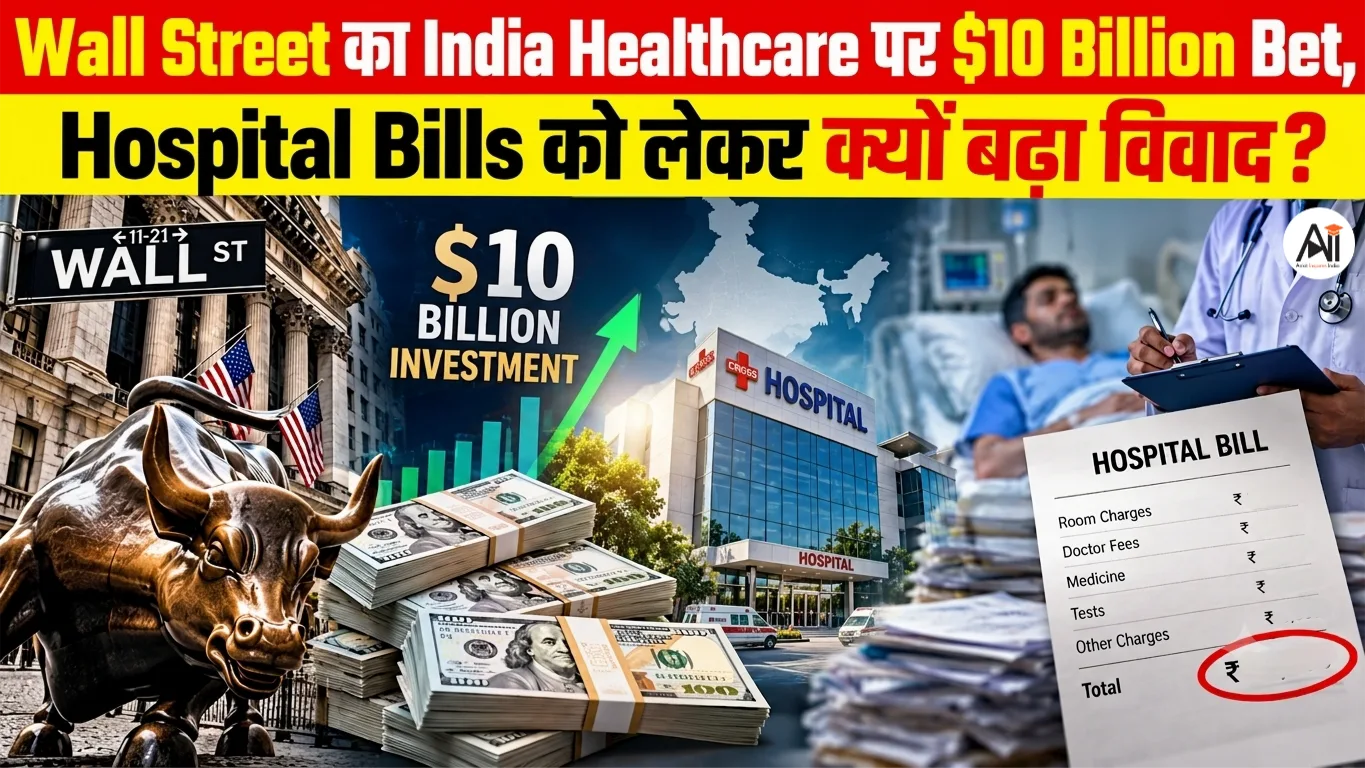
भारत का hospital sector पिछले कुछ वर्षों में global investors के लिए बड़े investment opportunities में बदल गया है। US Investment in Indian Hospitals और दूसरे global private-equity investments ने अस्पतालों की capacity बढ़ाने, नई technology लगाने और fragmented hospital market को consolidate करने में महत्वपूर्ण भूमिका निभाई है। Blackstone, KKR, TPG, General Atlantic और दूसरे global investors ने पिछले पांच वर्षों में भारतीय hospital chains में करीब $10 billion का investment किया है। EY के आंकड़ों पर आधारित रिपोर्ट के मुताबिक इस capital inflow ने भारत में hospital expansion और private-equity-led consolidation को तेज किया है।
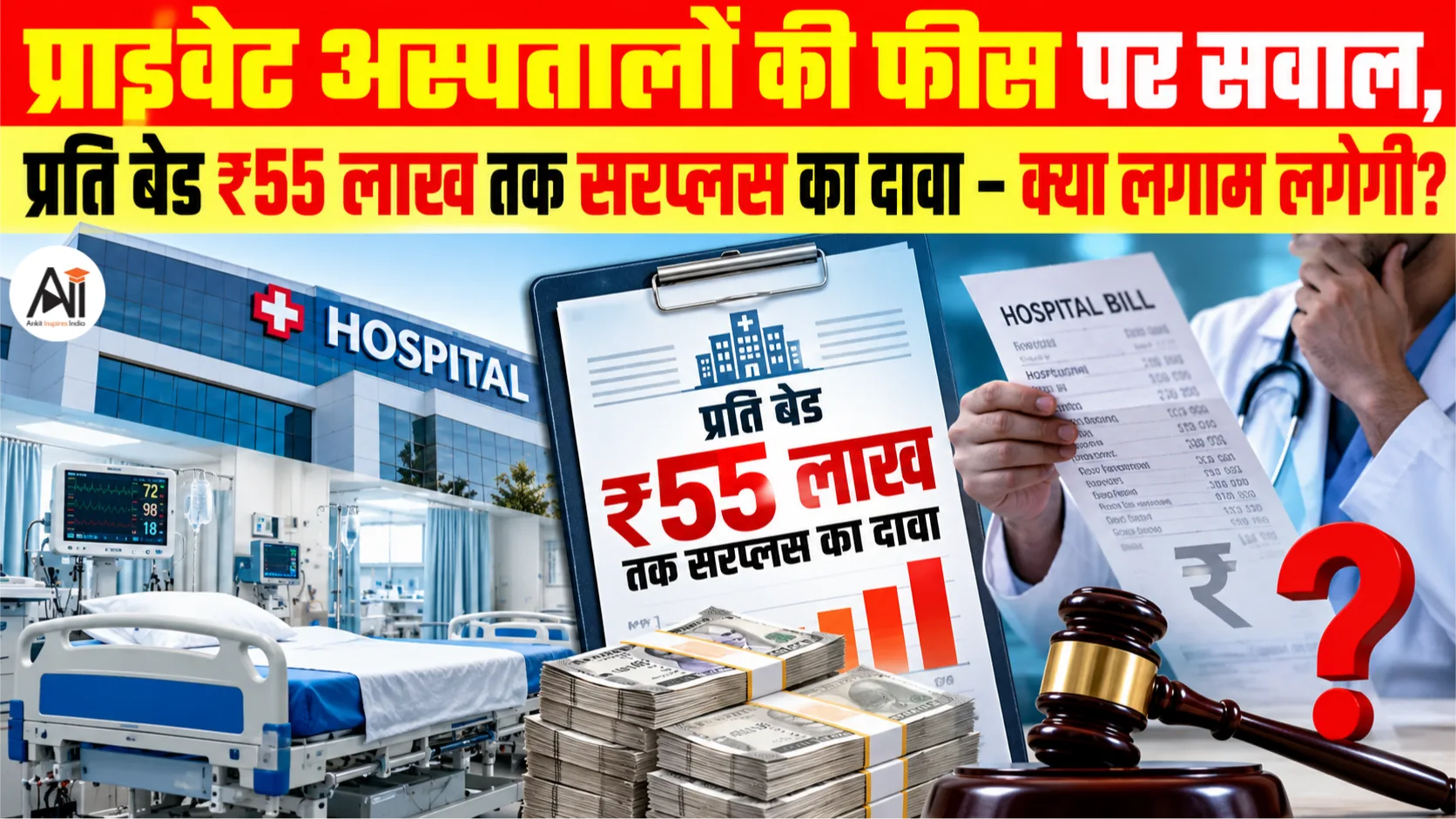
लेकिन कहानी का दूसरा पहलू अब ज्यादा चर्चा में है। Investment बढ़ने के साथ hospital revenues और valuations में तेजी आई है, वहीं healthcare की affordability, treatment costs और insurance companies के साथ hospitals के विवाद भी सामने आए हैं। यानी सवाल सिर्फ यह नहीं है कि भारत में healthcare infrastructure के लिए कितना पैसा आ रहा है, बल्कि यह भी है कि इस expansion का bill आखिर कौन चुकाएगा?
Wall Street का Indian Hospitals में $10 Billion का दांव क्यों?
भारत में hospital investment बढ़ने की सबसे बड़ी वजह देश की healthcare infrastructure की जरूरत और specialised treatment की बढ़ती मांग है। भारत में लंबे समय से hospital beds की कमी रही है। इसी के साथ cancer treatment, cardiac care, kidney treatment और दूसरे specialised healthcare services की demand बढ़ रही है। Global private-equity investors के लिए यह combination आकर्षक है क्योंकि hospitals में शुरुआती investment काफी बड़ा होता है, लेकिन एक बार capacity और patient volumes बढ़ने के बाद लंबे समय तक revenue generate किया जा सकता है।
निवेशकों के लिए भारत का hospital sector इसलिए भी आकर्षक है क्योंकि-
- देश में healthcare infrastructure की बड़ी आवश्यकता है।
- Cancer और cardiac जैसी specialised treatments की demand बढ़ रही है।
- लोगों की income और life expectancy बढ़ने से healthcare spending बढ़ रही है।
- कई छोटे और midsize hospitals को बड़े networks में जोड़ा जा सकता है।
- Technology और advanced medical equipment से higher-value treatments संभव हो रहे हैं।
- Hospital chains के विस्तार से economies of scale हासिल की जा सकती हैं।
- IPO और secondary share sales के जरिए private-equity investors के लिए exit opportunities भी विकसित हुई हैं।
EY की हालिया healthcare report के मुताबिक FY26 में बड़े hospital operators के revenue और EBITDA growth में 15% से ज्यादा की वृद्धि देखी गई, जबकि capacity additions और higher-acuity treatments sector की growth को support कर रहे थे।
US Investment in Indian Hospitals से Healthcare Sector को क्या मिला?
Global capital के आने से Indian hospital sector में सिर्फ ownership structure ही नहीं बदला, बल्कि expansion की गति भी बढ़ी है। Private-equity-backed hospital chains ने नई facilities, additional beds, advanced diagnostic equipment और specialised treatment infrastructure में investment किया है। भारत में hospital market अभी भी काफी fragmented है। ऐसे में private-equity firms कई regional hospitals को acquire करके एक बड़ा network बनाने की strategy अपना रही हैं। इससे investors को एक तरफ scale मिलता है, जबकि hospitals को दूसरी तरफ capital और management expertise मिल सकती है।
KKR का Medicover Deal क्यों अहम है?
इस trend का एक बड़ा उदाहरण KKR का Medicover India acquisition है। अगस्त 2026 में KKR ने Swedish healthcare company Medicover AB के India hospital business को करीब €1.2 billion यानी लगभग $1.4 billion में खरीदने पर agreement किया। Medicover India के पास लगभग 24 hospitals और करीब 4,800 beds थे। यह deal KKR की India healthcare strategy को और बड़ा बनाती है। इससे पता चलता है कि global private-equity firms भारत के hospital sector को short-term opportunity के बजाय long-term consolidation story के रूप में देख रही हैं।
Hospital Consolidation क्यों बढ़ रहा है?
छोटे और midsize hospitals के बड़े chains में शामिल होने से एक company कई शहरों में services और infrastructure को एक network के रूप में operate कर सकती है।इस model के संभावित फायदे हैं-
- बेहतर procurement और purchasing power
- Common technology platforms
- Specialist doctors और clinical expertise का बेहतर इस्तेमाल
- नए hospitals खोलने के लिए capital availability
- Brand recognition
- Insurance companies के साथ बड़े network के रूप में negotiations
लेकिन यही consolidation affordability को लेकर चिंता भी पैदा कर रहा है।
Hospital Investment India के साथ बढ़ी Costs की बहस
Global capital के आने से hospital sector की financial performance मजबूत हुई है, लेकिन policymakers और insurers अब healthcare affordability पर सवाल उठा रहे हैं। अगस्त 2026 में Parliamentary Standing Committee on Health and Family Welfare ने Affordability and Accessibility of Healthcare Facilities in Public and Private Sector पर अपनी report पेश की। Committee ने private healthcare में बढ़ते foreign capital और बड़े corporate groups द्वारा midsize hospitals के acquisition को लेकर चिंता जताई। Committee ने healthcare pricing को लेकर कई recommendations भी दीं। इनमें essential treatments, diagnostics और routine procedures की costs को standardize और cap करने की recommendation शामिल है। Committee ने private healthcare में FDI और hospital pricing के regulatory framework की समीक्षा की बात भी कही। इससे Rising Hospital Costs India की बहस और तेज हो गई है।

Medical Inflation भी बड़ी चिंता
Parliamentary report में medical inflation को लेकर भी चिंता जताई गई है। ऐसे माहौल में अगर private hospitals में treatment costs तेजी से बढ़ती हैं, तो इसका असर insurance premiums और patients के out-of-pocket expenses दोनों पर पड़ सकता है। यह खास तौर पर उन लोगों के लिए बड़ी समस्या बन सकती है जो न तो government healthcare support के लिए eligible हैं और न ही बढ़ते medical bills को आसानी से afford कर सकते हैं। इसी group को healthcare debate में अक्सर missing middle के रूप में देखा जाता है।
Healthcare Private Equity India में Insurers और Hospitals आमने-सामने
Healthcare ecosystem में एक दूसरा विवाद hospitals और insurance companies के बीच भी बढ़ रहा है। Insurers का आरोप है कि कुछ private hospitals high-cost procedures और inflated bills के कारण treatment expenses बढ़ा रहे हैं। दूसरी तरफ hospitals का कहना है कि insurance companies की reimbursement rates पर्याप्त नहीं हैं और payments में delay उनके margins पर दबाव डालता है। यानी दोनों पक्ष healthcare costs की जिम्मेदारी दूसरे पर डालते दिखाई देते हैं।
Treatment और Technology का खर्च
Healthcare technology लगातार advanced हो रही है। Robotic surgery, नए implants, advanced diagnostics और specialised procedures से treatment outcomes बेहतर हो सकते हैं, लेकिन इनके कारण treatment cost भी बढ़ सकती है। यहीं पर insurance coverage को लेकर विवाद पैदा होता है। Insurers का सवाल है कि अगर कोई नया procedure conventional treatment से कई गुना महंगा है, तो क्या उसका clinical benefit भी उसी अनुपात में अधिक है? Healthcare providers का तर्क है कि नई technology और advanced surgical techniques से कई patients के outcomes बेहतर हो सकते हैं। इसलिए insurance companies को यह तय करने के लिए evidence-based treatment protocols की जरूरत होती है कि कौन-सा treatment किस परिस्थिति में medically justified है।
Hospital Bills India में Patients की मुश्किल क्यों बढ़ रही है?
इस पूरी बहस का सबसे सीधा असर patients पर पड़ता है। अगर hospital treatment महंगा होता है और insurance policy पूरी cost cover नहीं करती, तो patient को अपनी जेब से बड़ी रकम देनी पड़ सकती है। एक उदाहरण में मुंबई की 40 वर्षीय business consultant Poonam A. ने private hospital में robotic surgery कराई। उनके पास Rs 21,000 annual premium वाली health insurance policy थी, जिसमें Rs 15 लाख का base coverage था।
लेकिन insurer ने surgery के robotic component से जुड़े bill के एक हिस्से को reimburse करने से इनकार कर दिया। इसके बाद उन्हें उस shortfall को खुद pay करना पड़ा। यह उदाहरण दिखाता है कि insurance होने के बावजूद patient को हर medical expense का पूरा reimbursement मिलना जरूरी नहीं है। यही कारण है कि Medical Bills India और insurance coverage को लेकर awareness अब और महत्वपूर्ण हो गई है।
India Healthcare Market में Regulation की मांग क्यों बढ़ी?
Healthcare affordability को लेकर बढ़ते विवाद के बीच regulation की मांग तेज हुई है। Parliamentary Standing Committee ने private hospitals में essential treatments और routine procedures की costs को standardize और cap करने की recommendation दी है। इसके अलावा committee ने healthcare pricing और foreign investment framework की समीक्षा की जरूरत भी बताई है। Insurance sector में भी IRDAI ने cashless treatment और authorization procedures को लेकर नए नियम लागू किए हैं, ताकि patients, hospitals और insurers के बीच claims process ज्यादा standardized हो सके।
लेकिन healthcare pricing को regulate करना आसान नहीं है। एक तरफ patients को affordable treatment चाहिए, जबकि दूसरी तरफ hospitals को technology, doctors, equipment, infrastructure और expansion के लिए पर्याप्त revenue चाहिए। अगर pricing regulation बहुत सख्त हो जाता है, तो investors के लिए returns कम हो सकते हैं और future capital inflows प्रभावित होने की संभावना हो सकती है।
Private Healthcare India के लिए सबसे बड़ी चुनौती क्या है?
भारत को healthcare infrastructure में बड़े investment की जरूरत है। Public healthcare alone हर बढ़ती जरूरत को पूरा नहीं कर सकता। इसलिए private capital की भूमिका महत्वपूर्ण बनी रह सकती है। लेकिन private capital के साथ accountability और affordability का सवाल भी जुड़ा हुआ है। यदि hospitals में investment बढ़ता है लेकिन treatment इतना महंगा हो जाता है कि middle-class और lower-income families उसे afford नहीं कर पातीं, तो healthcare expansion का सामाजिक उद्देश्य कमजोर पड़ सकता है। दूसरी ओर, यदि regulation इतना सख्त हो जाए कि investors hospitals में पैसा लगाना कम कर दें, तो capacity expansion और advanced healthcare infrastructure पर भी असर पड़ सकता है। इसलिए Healthcare Affordability India की चुनौती का समाधान investment को रोकना नहीं, बल्कि investment, pricing, insurance और patient protection के बीच संतुलन बनाने में हो सकता है।
Wall Street India Hospital Investment का अगला चरण क्या हो सकता है?
भारत में hospital sector के लिए investment story अभी खत्म नहीं हुई है। Healthcare demand बढ़ रही है और hospital chains लगातार नए cities और specialised segments में expansion कर रही हैं। EY के अनुसार hospital expansion और high-acuity specialty demand आने वाले समय में भी sector की growth को support कर सकती है। साथ ही private-equity investors के लिए IPOs और strategic sales जैसे exit routes विकसित हुए हैं। इससे एक investor अपने पुराने investment से capital निकालकर नए healthcare assets में लगा सकता है। लेकिन अब investors को केवल revenue growth और valuations पर ध्यान नहीं देना होगा। Affordability, insurance penetration, regulatory risk और patient outcomes भी healthcare investment decisions में महत्वपूर्ण factor बनते जा रहे हैं।
निष्कर्ष
US Investment in Indian Hospitals ने भारत के healthcare sector को capital, technology, capacity expansion और consolidation का बड़ा boost दिया है। करीब $10 billion का global investment इस बात का संकेत है कि international investors Indian healthcare को long-term growth market मान रहे हैं। लेकिन इस growth के साथ Hospital Bills India, medical inflation और healthcare affordability का सवाल भी बड़ा हुआ है। Parliamentary committee ने foreign capital, hospital pricing और private healthcare regulation को लेकर कई recommendations दी हैं। आने वाले समय में असली चुनौती यही होगी कि Healthcare Investment Boom को कैसे इस तरह आगे बढ़ाया जाए कि investors को sustainable returns मिलें, hospitals expand हों और technology बेहतर हो- लेकिन treatment आम भारतीय की पहुंच से बाहर न जाए।
FAQ (Frequently Asked Questions):
Wall Street India के Hospital Sector में $10 Billion Investment क्यों कर रहा है?
भारत में healthcare demand, specialised treatments और hospital infrastructure की जरूरत तेजी से बढ़ रही है। यही वजह है कि global investors को Indian hospital sector में long-term growth और returns की संभावना दिख रही है।
India के Healthcare Sector में Foreign Investment क्यों बढ़ रहा है?
भारत में hospital beds, advanced treatment और healthcare infrastructure की मांग बढ़ रही है। इसके अलावा fragmented hospitals को बड़े networks में consolidate करने की संभावना भी global investors को आकर्षित कर रही है।
$10 Billion Hospital Investment से India को क्या फायदा होगा?
इस investment से नए hospitals, beds, advanced medical technology और specialised treatment facilities के expansion में मदद मिल सकती है। इससे healthcare infrastructure और treatment capacity बढ़ सकती है।
Private Equity Firms Indian Hospitals में इतना निवेश क्यों कर रही हैं?
Private-equity firms को भारत में बढ़ती healthcare demand और hospital consolidation में long-term growth opportunity दिखती है। IPO और stake sales जैसे exit options भी investors के लिए आकर्षण बढ़ाते हैं।
India में Hospital Bills को लेकर विवाद क्यों बढ़ रहा है?
Advanced treatments, medical inflation, insurance reimbursement और hospital pricing के कारण healthcare costs बढ़ रहे हैं। Insurers और hospitals इन बढ़ती costs की वजह को लेकर अलग-अलग तर्क दे रहे हैं, जिसका असर patients के bills पर पड़ सकता है।
क्या Foreign Investment से Hospital Treatment महंगा हो सकता है?
Foreign investment से treatment महंगा होना सीधे तौर पर साबित नहीं है। हालांकि, policymakers ने corporate consolidation और rising healthcare costs के बीच संभावित affordability concerns पर सवाल उठाए हैं।